Book 4 Day Dahabiya Nile Cruise: Aswan to Luxor
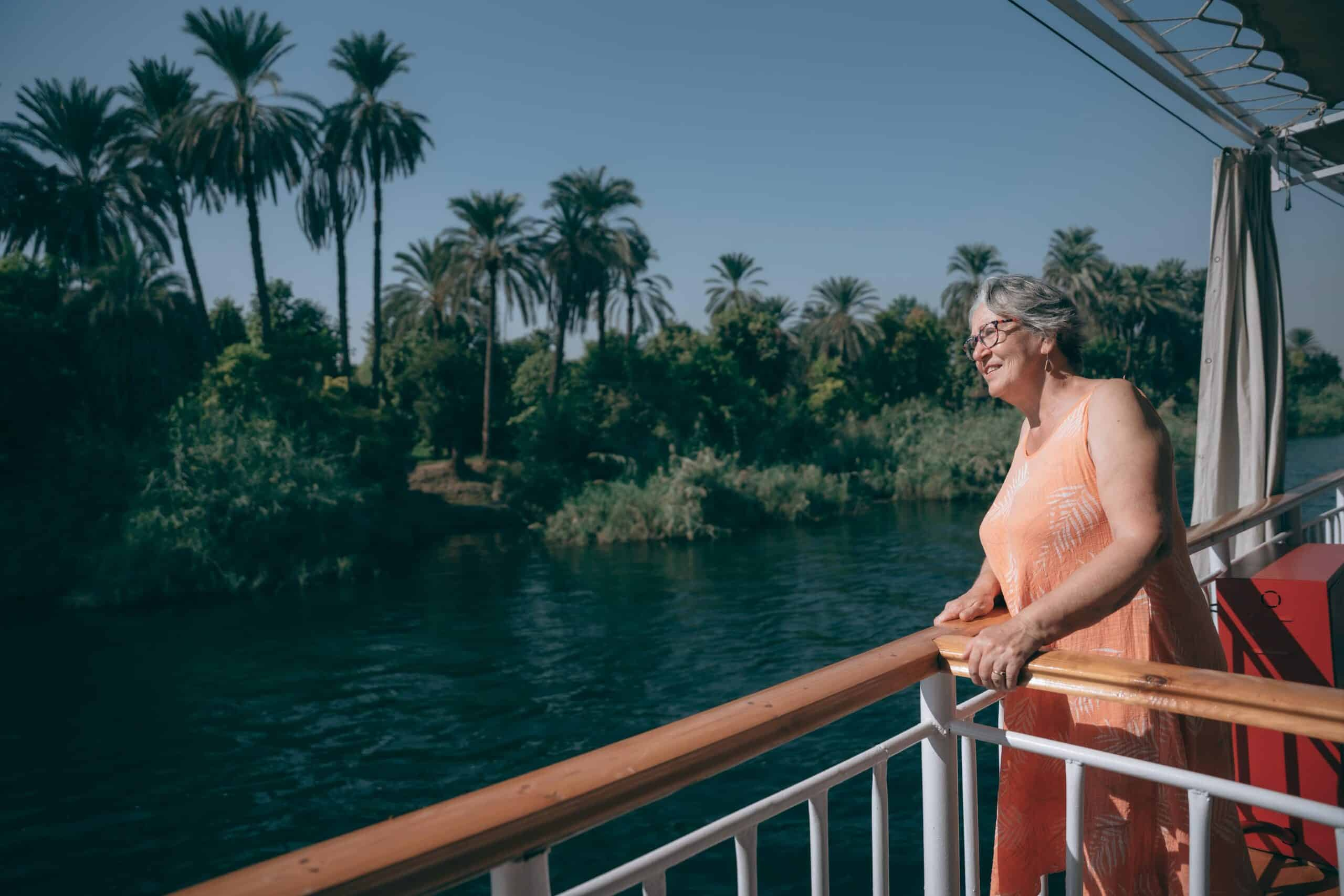
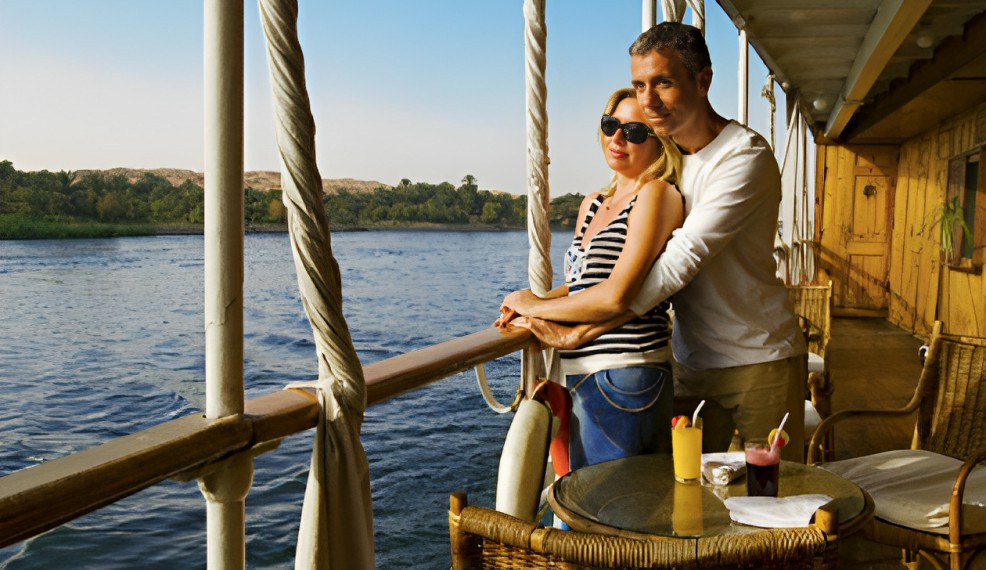
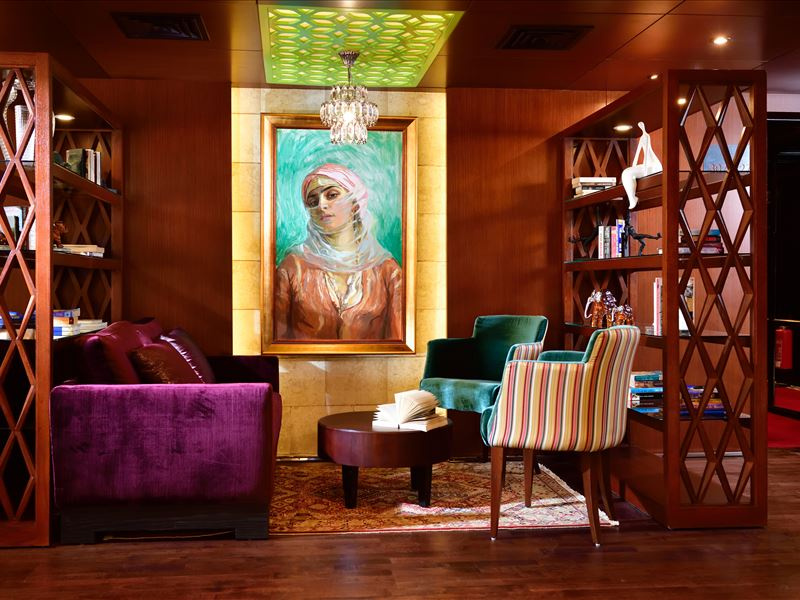
Escape the 100-cabin crowds. Experience the Nile’s golden age on an intimate 4-day Dahabiya sail from Aswan to Luxor. All-inclusive luxury, private Egyptologist, and hidden ruins. Only 6 cabins available—secure your 2026 dates


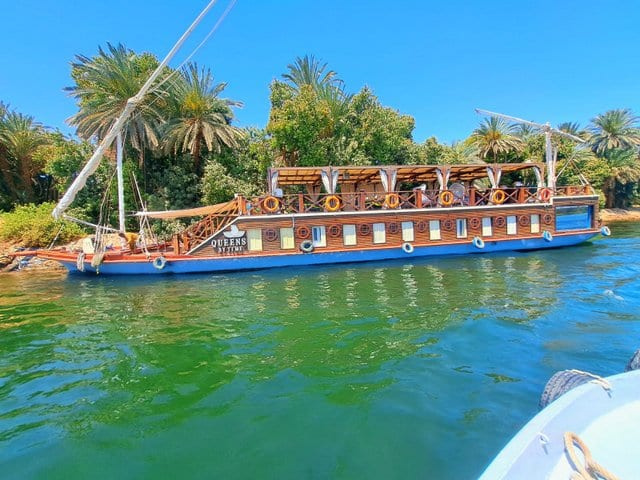

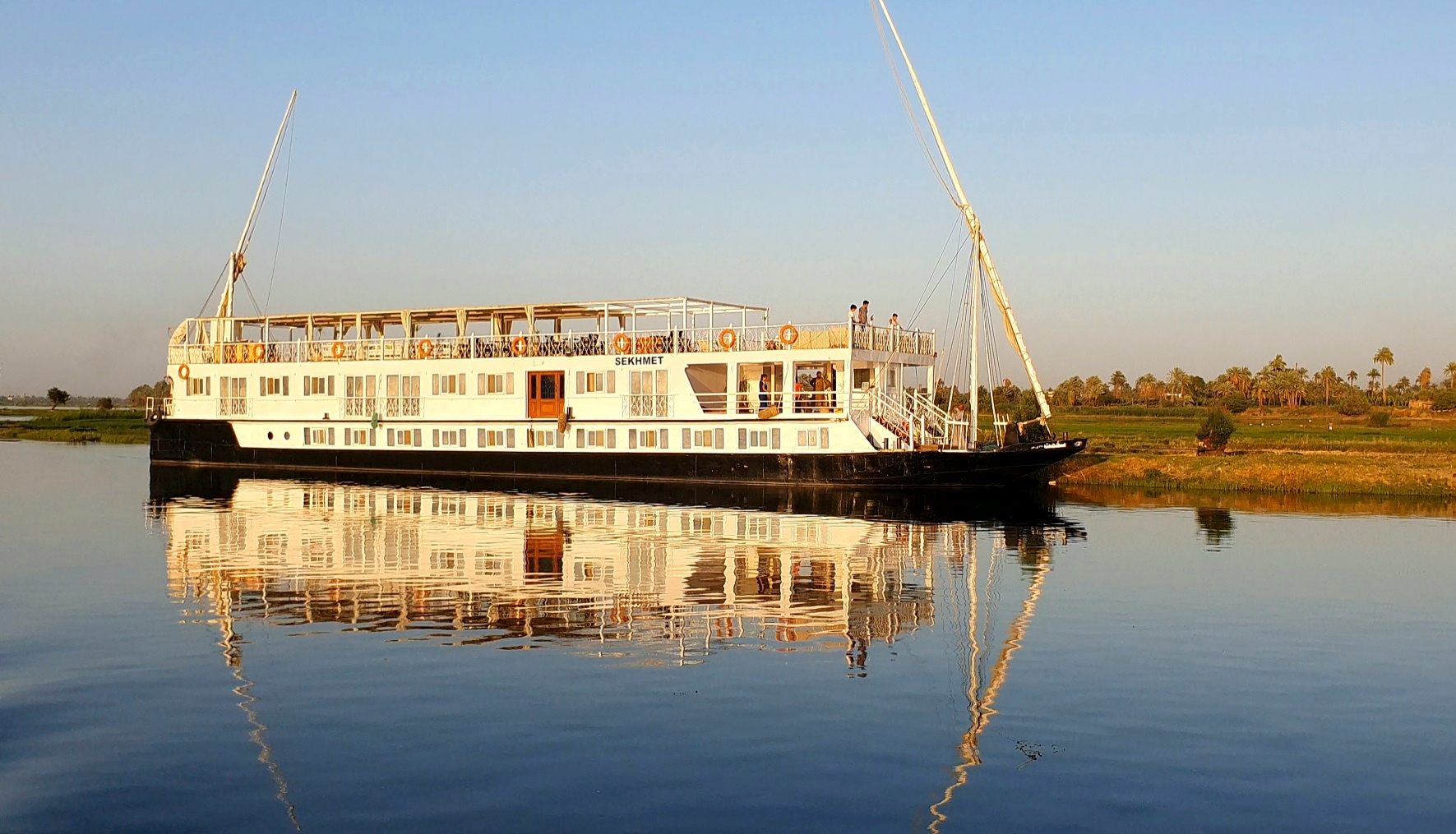

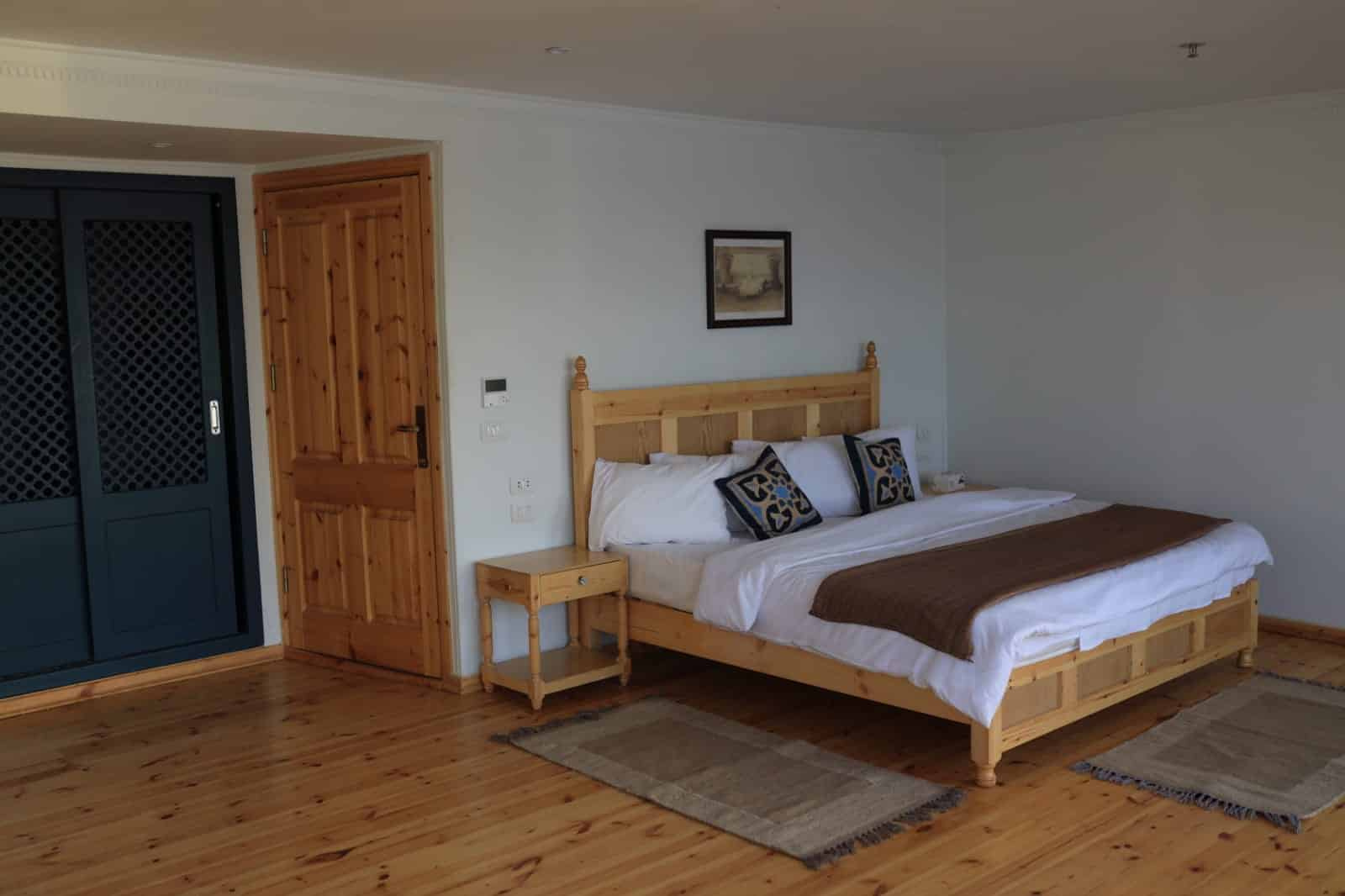
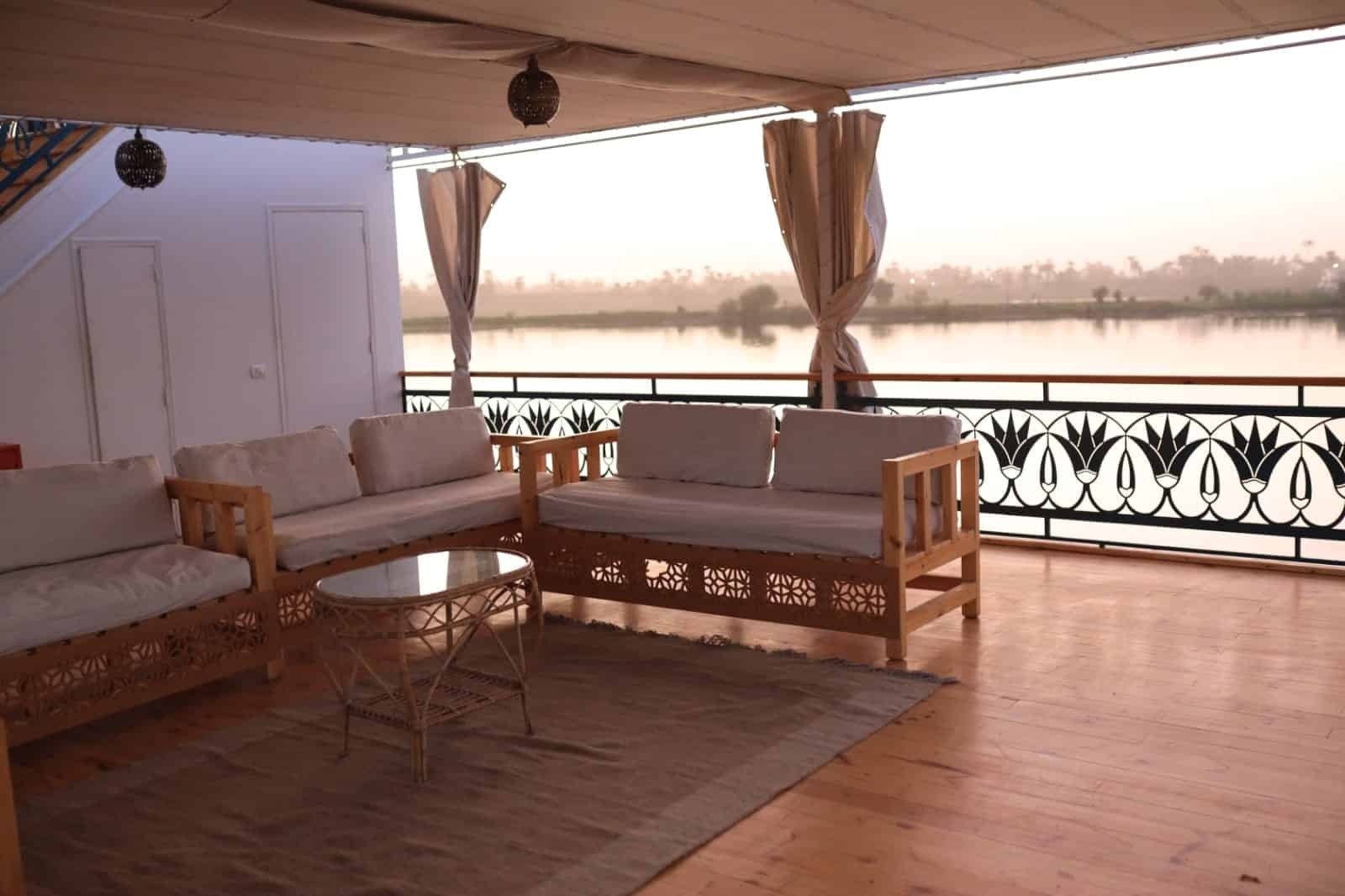
Experience a luxurious 4-day private
Dahab
iya cruise from Aswan
to Luxor. Escape the crowds, enjoy intimate sailing, hidden ruins, and an expert Egyptologist on the Nile.
Noon: check into the
Dahab
iya. Lunch and sailing. Dinner and overnight on board in Daraw. opportunity to swim or kayak. * If you wish to kayak please advise us two days before the dahabiya tour begins so
we can be sure to have kayaks available.
NOTE: Departure takes place from any address in Aswan to the port of the Dahab iya.
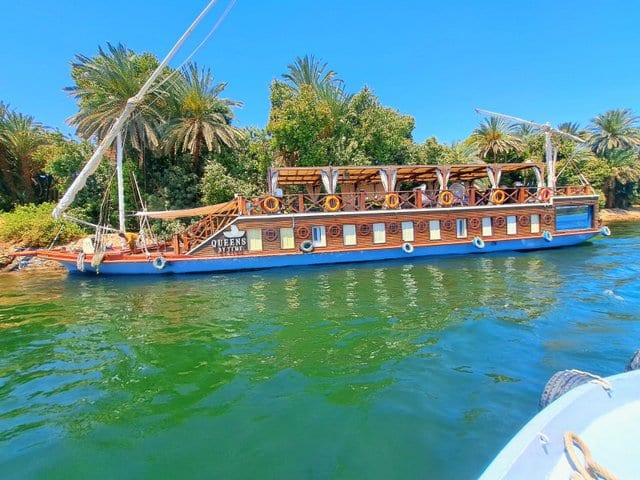
Breakfast on board. In the town of Daraw you learn how to shop like a local at the market, visit a barn to meet camels and learn about the camel trade, and visit a Nubian Town. Visit Kom Ombo temple. Lunch on board. Sailing to El Selsela ancient sandstone quarry and shrines.
Dinner and overnight on board near Bisaw.
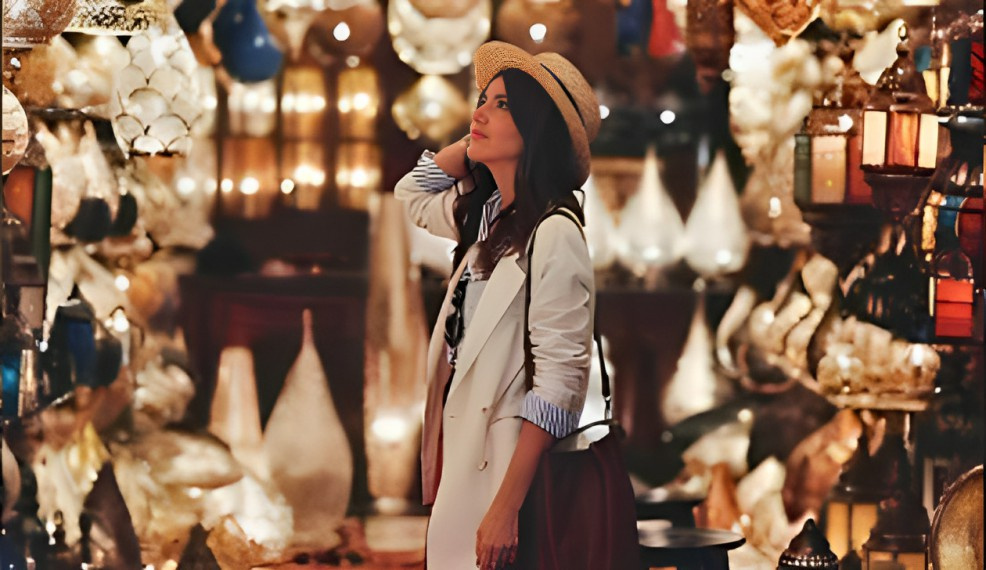
In Daraw we plan dinner for that night and you learn how to shop Egyptian style, then try your new skills in themarket shopping for ingredients for dinner. We also visit a camel barn to learn about these fascinating animals and about the camel trade.
We will visit a Nubian Town. From about 7,000 BC, communities evolved from African Nile Valley civilisations to form the Nubian, Ancient Egyptian and Kushite civilizations. There are several Nubian communities near Daraw. Nubian civilization is one of the oldest in the Nile River valley. Nubians are a distinct ethno-linguistic group indigenous to southern Egypt and northern Sudan, but Nubians in Egypt who were displaced by the construction of the High Dam near Aswan
now mostly live north of Lake Nasser. AlthoughNubians are historically and culturally distinct from other Egyptians, they have long been interconnected with Egypt. While many Egyptian pharaohs colonized Nubia at various times, Nubian pharaohs from the Kingdom of Kush ruled Ancient Egypt in the 7th Century BC.
The Temple of Kom Ombo is dedicated to the crocodile-featured god Sobek and the god Horus. Theconnection to the power of the Nile is unmistakable as you look towards the temple. We also visit the Crocodile Museum which includes some impressive mummified crocodiles. Sail to El Selsela where we take a short walk parallel to the Nile to visit shrines and a massive quarry. Large amounts of sandstone was quarried here for temple building in Thebes (Luxor). Cut into the rock are the speos(chapel) of Horemheb with its sanctuary containing rock shrines and various stelae and inscriptions. The huge quarry gives context to how much building material was sourced from this area. There is also an area of sand here where children (and children at heart) can slide and play. Dinner and overnight on the dahabiya, where you are now becoming part of the rhythms of Nile River life.
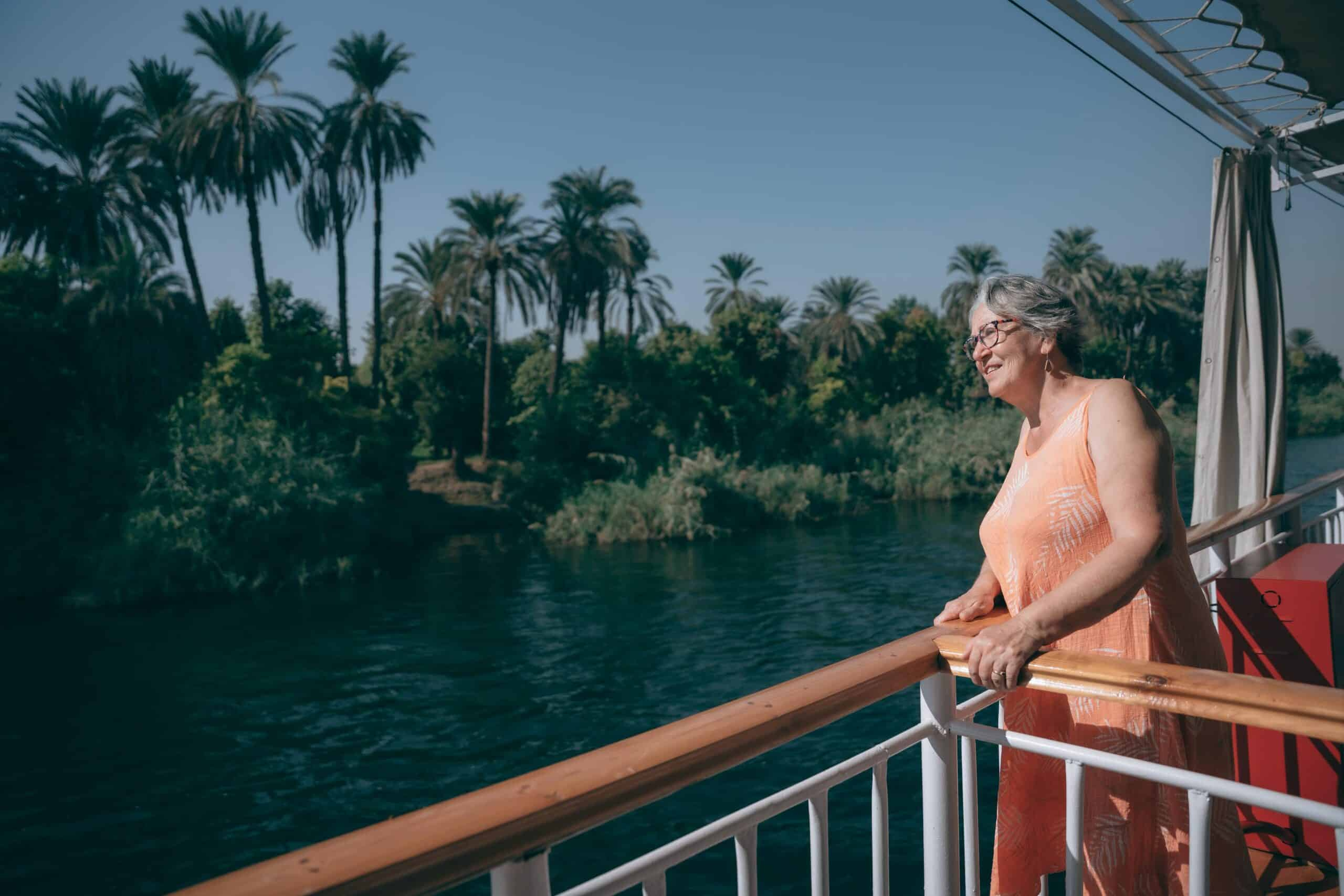
Breakfast in a local home or on board. Explore Bisaw Island, walk through farms and meet the villagers. Join the men in their boats to share the experience of Nile fishing. Sail to Edfu, Ride to visit the Temple of Horus. Lunch on board. Dinner and night stay on board in El Hegz. Stepping off the dahabiya at Bisaw Island and village we take a leisurely walk through a farm, meet some of the women and children and learn how the unique sun bread is baked in homes here. We are welcomed by the local fishermen to their boats, learning of the skills of these men who live in harmony with the Nile. Fish caught can be
enjoyed as part of dinner that evening.
We board the dahabiya for lunch and sail towards Edfu. Ride to the imposing Temple with its grand spaces and many hieroglyphic inscriptions. View Tell Edfu to the West of the temple, which includes houses dating from the
Old to New Kingdom. If time allows we also stroll through the local market. We sail again, time to relax with dinner, overnight on board in El Hegz. El Hegz Village. This is an opportunity for true cross cultural exchange as we visit a local family who are excited to have visitors from the wider world.Your guide will translate so you can ask them questions and enhance your understanding of village culture
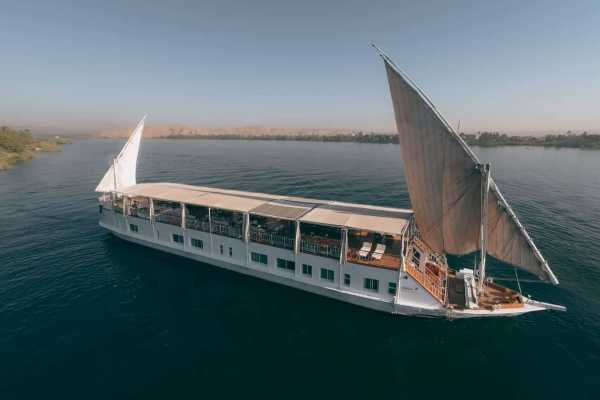
Breakfast on board. Sail to Esna. Check out the dahabiya after breakfast. We visit the Temple, restored caravanserai and market. Esna is part of the Luxor governorate, we drive about an hour from Esna to Luxor. After breakfast, check out of the dahabiya. In Esna we explore the Temple dedicated to the ram headed god Khnum. The temple sits below street level within the town, as it was excavated from layers of earth. Enjoy discovering heritage craft traditions including beautiful textiles as we visit the restored Wekalet Al-Geddawi, a caravanserai, and theOttoman era market of Al-Qissariya. Drive about an hour to Luxor and transfer to Luxor airport or your hotel.Also you can start a tour in Luxor in that day (choose from the optional tours/activities below)
*OPTIONAL ACTIVITIES: (please notify us beforehand of optional tours you would When you are booking your dahabiya tour please ask us about the tour options around Luxor
and Aswan
.
ASWAN: The following attractions can be visited before check-in in the
Dahab
iya.Philae, giving you a picturesque approach to the site. During the 1960s the monuments on this island were relocated from the original Philae island nearby so they would not be flooded because of the construction of the Aswan
High Dam. Philae includes many structures, mostly dating to the Ptolemaic era (332–30 BC).
The Unfinished Obelisk was discovered in the early twentieth century after it had been covered by sand for thousands of years. Unfinished Obelisk
. Obelisks are four-sided, tapered monuments which were called tekhenu by the AncientEgyptians. It is estimated that the unfinished obelisk would have measured 42 metres and weighed 1200 tons,which would have made it the largest obelisk constructed by the ancient Egyptians.
The High Dam is a rock-fill dam located at the northern border between Egypt and Sudan.The dam is fed by the River Nile and the reservoir forms Lake Nasser The High Dam
and enjoy views of the Old Aswan
Dam and the Nubian Lake (Lake Nasser). Seeing the HighDam and lake adds to your understanding of how the changing flow of the Nile has influenced Egyptian history.
The dam was built to control the flooding of the Nile, increase water storage for irrigation, and generate hydroelectricity. However, the large area flooded caused the relocation of more than 100,000 people. Many
archeological sites were submerged.
The
The island of Elephantine is one of major Aswan
attractions floating on the Nile. The island in 12000 meters situated in the center of the Nile. Elephantine Island
archeological site. This is one of the most unique sites in upper Egypt because here you can see across 4,000 years of Egypt’s history, from 3,000 BC until late Mediaeval times (12th to 14th centuries). Remains on the island range from prehistory, including the oldest temple in Egypt.Nubian village and visit Animalia House Museum which is an excellent place to learn about Nubian culture
and the changes that came about with the building of the High Dam.
Felucca ride on the Nile River, a leisurely boat trip with views of the Nobles tombs, Agha Khan Mausoleum, and Plantation Island. As you sail you will also see the Old Cataract hotel
We can also include a visit to the Aswan
souq (market).
Other sights: The following attractions need at least an extra day in Aswan.
The Great Temple of Abu Simbel, in Nubia near Egypt’s southern border,is among the most amazing monuments of Egypt. Abu Simbel temple
s. Lying Abu Simbel town, 3 hours drive from Aswan
to the south about 230 km (140 mi) southwest of Aswan, part of the UNESCO Nubian world heritage sites and including two massive rock-cut temples dating back to Ramses II of the 19th dynasty,
The Great Temple of Abu Simbel, in Nubia near Egypt’s southern border,is among the most amazing monuments of Egypt. Abu Simbel temple
s were relocated with the help of archaeologists as construction of the dam began in 1960 in a rescue operation . Temples of Kalabsha. Also known as the Temple of Mandulis was originally located at Bab al-Kalabsha about 50 km south of Aswan. The temple was on the UNESCO Nubian sites list together with other outstanding examples of Nubian architecture including the ones in El Seboua and Amada. The temple is moved to its current location just across from the High Dam.
The Nubian Museum will give you more insights to the multifaceted history of this area, and of howmonuments and edifices were made.
LUXOR: The following attractions might need an extra day in Luxor
at the end of the
Dahab
iya
tour.
West Bank. West bank of Luxor
is home to countless tombs, temples and the village of the workmen who built and applied their artistry to the tombs and temples. As we start exploring the West Bank our first visit is to the
Colossi of Memnon are two massive monumental stone statues of Pharaoh Amenhotep III (1386-1353 BCE) from the 18th Dynasty of ancient Egypt. Colossi of Memnon
. These two imposing sandstone statues that indicate the site of the mortuary temple of 18thdynasty pharaoh Amenhotep III (1386 - 1353 BC)
Used as a burial chamber for nearly 500 years, the Valley of the Kings was used for royal burials for the Kings,their families, and their possessions. Valley of the Kings
which is part of the necropolis of ancient Thebes. This is a UNESCO World Heritage Site. For more than a thousand years the kings, queens and nobles of the New
Kingdom (1500 - 1070 BC) chose to be buried here.
Temple of Hatshepsut. During her reign the female pharaoh Hatshepsut (1473 - 1458 BC) built a mortuary temple at Deir el Bahari, situated directly across the Nile from Karnak Temple which was the main sanctuary of the god Amun. Many find it one of the most beautiful of all the temples constructed in Egypt.Ancient Workmen Village. Deir el-Medina is the Arabic name for the village where the craftsmen and artisanswho worked on the tombs and other monuments of the West bank lived, including those in the Used as a burial chamber for nearly 500 years, the Valley of the Kings was used for royal burials for the Kings,their families, and their possessions. Valley of the Kings and Valley of the Queens, gorge in the hills along the western bank of the Nile River in Upper Egypt. Valley of the Queens . Hot Air Balloon ride. Hot Air Balloon ride over Luxor West Bank for the sun rise. (about 50 min flying)
East Bank:
Karnak Temple is huge, the site covers more than 100 hectares. Construction at Karnak began in the Middle
Kingdom (2000 – 1700 BC) and continued into the Ptolemaic era (305–30 BC). Its size and variety within the site
that make it extraordinary.
Luxor
Temple located on the east bank of Nile River in the city called luxor , it was known in the egyption language as Luxor
Temple
, located approximately three kilometres south of Karnak Temple. These temples were linked with a processional way bordered with sphinxes, now known as Avenue of the
the Great Sphinx is one of the world's largest monuments. It is also one of the most recognizable relics of the ancient Egyptians. Sphinx
es. It is the only temple in the world
where ancient Egyptian religions, Greek and Roman cults, Christianity and Islam have been practised. The temple was substantially built by Amenhotep III (c.1390–1352 BC) and Ramesses II (1279–1213 BC). Dendera and Abydos, if you wish to explore Dandara or Abydos, we can organise your tours on the days after the
Dahab
iya, which might add another extra day in Luxor.
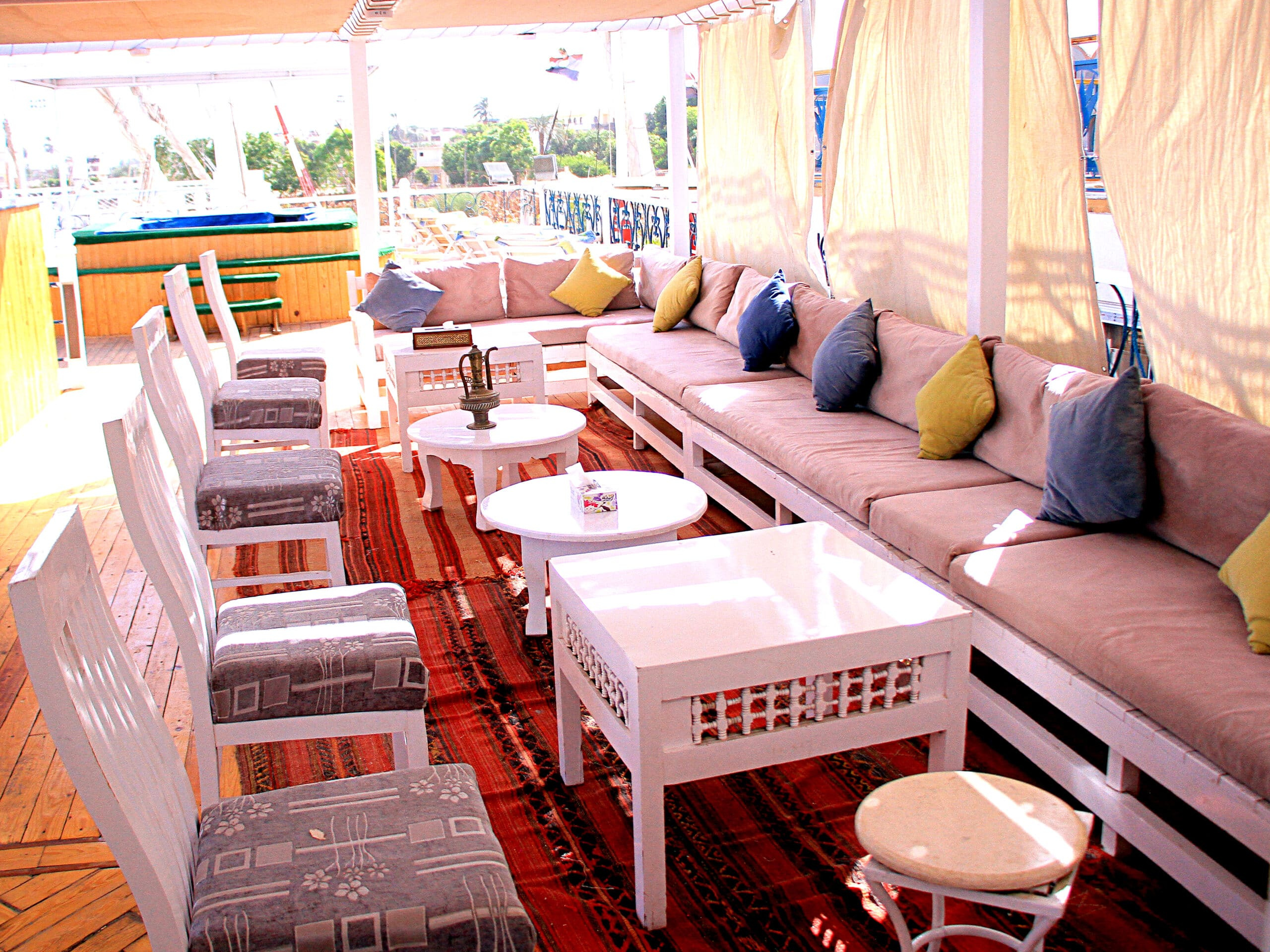
Inclusions:
- 4-Day Private Dahabiya Cruise
- All-inclusive luxury on board
- Private Egyptologist
- Meals (Breakfast
- Lunch
- Dinner) as per itinerary
- Accommodation on board the Dahabiya
- Visits to Daraw market
- camel barn
- Nubian Town
- Visit to Kom Ombo temple and Crocodile Museum
- Visit to El Selsela ancient sandstone quarry and shrines
- Exploration of Bisaw Island and village
- Nile fishing experience with locals
- Visit to Edfu Temple
- Visit to El Hegz Village for cultural exchange
- Visit to Esna Temple
- restored caravanserai (Wekalet Al-Geddawi)
- and market (Al-Qissariya)
- Transfer from Esna to Luxor airport or hotel
- Kayaking (if advised two days before tour begins)
Exclusions:
- Optional tours/activities in Aswan (Philae
- Unfinished Obelisk
- High Dam
- Elephantine Island
- Nubian village
- Felucca ride
- Aswan souq
- Abu Simbel temples
- Kalabsha temples
- Nubian Museum)
- Optional tours/activities in Luxor (West Bank sites like Colossi of Memnon
- Valley of the Kings
- Temple of Hatshepsut
- Ancient Workmen Village
- Hot Air Balloon ride)
- Optional tours/activities in Luxor (East Bank sites like Karnak Temple
- Luxor Temple)
- Optional tours to Dendera and Abydos
- Any additional days in Aswan or Luxor for optional tours
Please remember to bring:
- Any extras and personal spending
- Tipping
Reviews
Trip FAQ - Book 4 Day Dahabiya Nile Cruise: Aswan to Luxor
Loading Questions...